
shakaizen
Yoga & Meditation Retreats In Japan
Private yoga and meditation retreats in Japan, grounded in the classical teachings and scriptures—free from new age influence—to help you cultivate a practice that truly integrates body, breath, and mind.
Japan is not where yoga originated. There are no ancient yogic texts written here, no lineages tracing back thousands of years, no ashrams where rishis codified the practices. To claim otherwise would be dishonest.
What Japan does have is over a millennium of rigorous contemplative practice through Zen Buddhism, mountain asceticism (Shugendo), and aesthetic disciplines that treat attention, breath, and presence as spiritual practice. The forms differ from yoga, but the underlying principles—using the body as doorway to insight, cultivating awareness through deliberate discipline, recognizing impermanence as fundamental truth—converge with surprising precision.
Shakaizen’s Japan retreats explore this convergence. Classical yoga practice—asana, pranayama, dhyana—conducted in proximity to Zen temples, Buddhist pilgrimage sites, and mountain ascetic traditions. Not fusion or appropriation, but practice informed by Japan’s contemplative depth while remaining grounded in yoga’s traditional foundations.
Authentic
Retreats that do not involve new age pseudo practices, focusing solely on the classical teachings of yoga to ensure an authentic experience.
Intimate
Retreats limited to a maximum of 4 persons, ensuring personalized attention and a more meaningful experience.
Pragmatic
A pragmatic approach, with an emphasis on learning through observation, reflection, critical thinking and practical applications.
Experience
Yoga and meditation retreats led by a highly experienced teacher who bring a wealth of knowledge and real life experience.
Nara

Nara — Japan’s first permanent capital and Buddhism’s entry point to Japanese soil. The primordial ground where Buddhist and Shinto traditions first encountered each other and never fully separated. Ancient temples, sacred deer roaming freely, spiritual landscape that hasn’t been sanitized into coherent theology. The unrefined origins before centuries of elaboration.
Kyoto
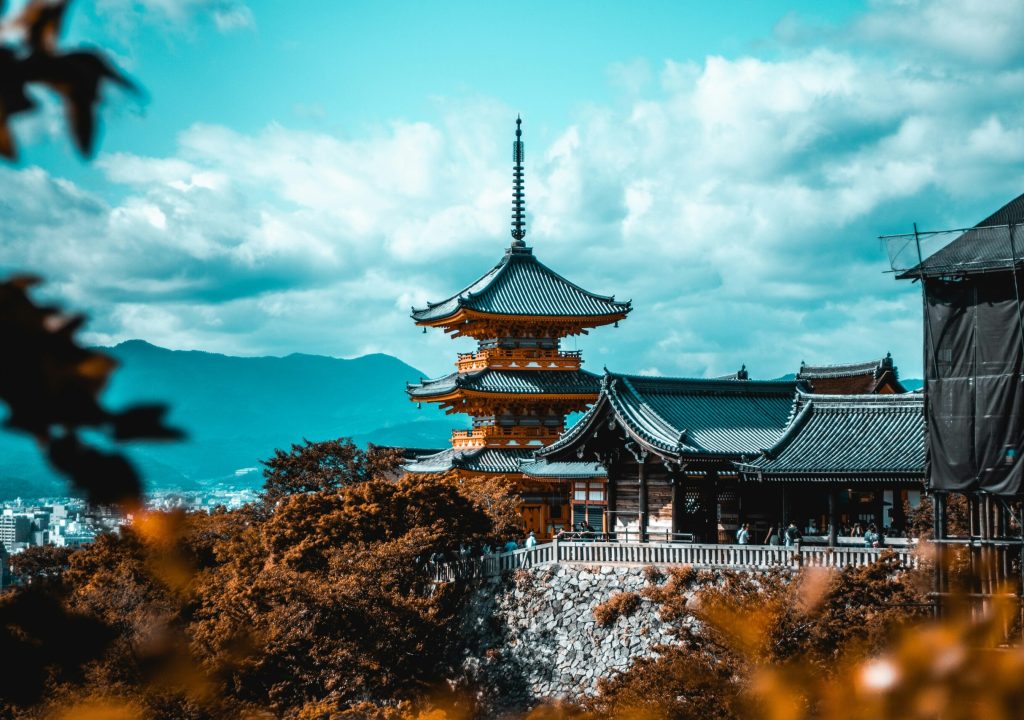
Kyoto — Imperial capital for over a thousand years and Zen Buddhism’s heartland. Over 1,600 temples, countless Zen training centers, gardens designed to induce meditative states. This is where contemplative practice matured into philosophical rigor and aesthetic precision. Daitokuji, Ryoanji, Nanzenji—active centers where monks still train with intensity that would break most modern practitioners.
Nagano

Nagano — The Japanese Alps and Shugendo’s mountain ascetic tradition. Yamabushi monks who used peaks, forests, waterfalls, and physical extremity as spiritual practice. Zenkoji Temple’s ancient pilgrimage path. Terrain ranging from 300 to over 3,000 meters. Onsen purification rituals. The convergence of Buddhist discipline and Shinto reverence for natural forces.
What practicing in Japan actually means
Japan is not India. The infrastructure is reliable, almost compulsively so. Trains run on time. Internet works. Hygiene standards exceed Western expectations. Logistics function with precision that can feel almost oppressive after Indian chaos.
But Japan’s order comes with its own friction. The culture values restraint, indirect communication, and social harmony over individual expression. Noise is considered intrusion—silence is expected, especially in temples and rural areas. English is limited outside major cities. Cultural norms around behavior, dress, and respect are non-negotiable and not always intuitive to foreigners.
This isn’t easier than India—it’s differently demanding. India tests through chaos and discomfort. Japan tests through precision and social constraint. Both reveal patterns; the mirror just works differently.
who is this for:
Practitioners seeking classical yoga practice enriched by Japan’s contemplative traditions. Those interested in exploring convergences between Hindu and Buddhist approaches to meditation, breath, and insight. Those willing to engage respectfully with a culture that demands precision, restraint, and social awareness. Those who find value in practicing where philosophical rigor and aesthetic discipline treat every detail as spiritual practice.
Who this isn't for:
Those expecting yoga’s cultural homeland—that’s India. Those seeking ashram experience or immersion in Hindu tradition. Those unwilling to navigate cultural norms around silence, restraint, and indirect communication. Those seeking budget options—Japan costs significantly more than India. Those uncomfortable practicing in proximity to Buddhist rather than Hindu contexts.
Japan offers what India cannot: Zen rigor, mountain asceticism still actively practiced, contemplative traditions that complement yoga while remaining distinct, and infrastructure that removes logistical friction so practice can focus elsewhere.
This isn’t replacement. It’s counterpoint. Classical yoga practiced where different contemplative traditions arrived at parallel insights through different methods.